


Cool Tattu with Coolair
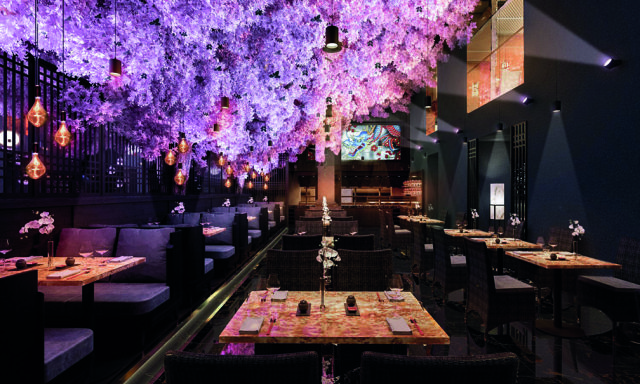
Coolair Equipment has made a cool contribution to the fine dining experience at Birmingham’s new Tattu Restaurant. The company’s Cannock office designed and installed the state-of-the-art comfort cooling system for the luxury Chinese-inspired eatery, which opened in February in the city’s historic Grand Hotel.
The discreet, noise-free system serves a 150-cover restaurant designed on ancient Yin and Yang principles of harmony, with contrasting shades of light in the bar and restaurant areas, and real blossom trees.
Coolair was commissioned by Wolverhampton-based Midwest Electrical, via the main contractor Wilmslow Building in Cheshire, to install the latest Mitsubishi system, which provides energy saving and carbon-reducing cooling and heating over both the ground and lower-ground floors.
The latest variant refrigerant flow (VRF) system includes heat recovery ventilation so that all areas of the restaurant receive simultaneous heating and cooling as required, with fresh incoming air warmed by the waste heat from the cold-room equipment in the kitchen.
Midwest Electrical chose Coolair Equipment as its contractor for the swift and smooth turnaround as an accredited Mitsubishi Electric Diamond Quality Partner with an excellent track record.
Coolair Equipment director Neil Gibbard says: “We were delighted that our close association with a world-leading manufacturer, and our proven experience and expertise, enabled us to design and build the comfort cooling and heating system for one of Birmingham’s most exciting new restaurants.”