Water-cooled close control has energy-saving potential
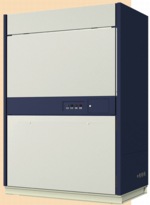
Being able to connect Mitsubishi’s PFD close-control air-conditioning units to a water-cooled condenser opens up the possibility of using heat removed from computer rooms for other purposes in a building.
Mitsubishi Electric has devised software that enables its range of R410A close-control air-conditioning systems to be linked to its WY water-cooled condensers to improve system efficiency. PFD inverter-driven units match the requirements of computer rooms and other areas where strict control of humidity and temperature is vital. The temperature can be controlled to within ±1 K. Using water-cooled condensers enables heat removed from computer rooms to be used elsewhere in the building rather than simply being rejected to atmosphere. Philip Ord, product marketing manager explains, ‘If you look at a typical office block requiring, say, 100 kW of heating in winter, then the close-control area will be generating around 40 to 50 kW of cooling. By linking the PFD controller to the WY, the heat removed from the computer room is transferred to the building’s water loop, where it can be used to heat another part of the building. This can halve the overall energy needed and still maintain an exact temperature for the close-control room.’
Related links: