Wetherspoon calls time on electric air conditioning
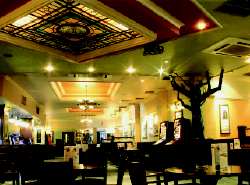
Air conditioned by gas — total power losses in this Wetherspoon pub caused by electrical demand exceeding the 200 A supply have been tackled by replacing half the electrically powered air-conditioning equipment with a Sanyo gas-powered VRF system.
Total power failures in a Wetherspoon pub at Wimbledon have been overcome using a solution put together from Sanyo’s GHP gas-power range of VRF equipment. In its 10-year history, the Wibbas Down Inn has undergone much refurbishment. The air-conditioning system comprising 14 heat-pump split system of 10 kW had evolved over that time to serve public areas and commercial kitchens. As a Wetherspoon ‘superpub’, it bristles with electrical equipment from refrigerated cabinets and ice-making machines in the bars to extensive audio-visual and entertainment system, as well a lot of electrical load-intensive equipment for catering. When total power closures forced the pub to close, the cause was found to be consumption exceeding the building’s 200 A supply. The problem was tackled by replacing half the existing air-conditioning units with a Sanyo GHP VRF system. The outdoor unit is rated at 56 kW, and there is sufficient gas supply to enable the remaining systems to be replaced. Electricity is only used for start up and operating fans in the new air-conditioning system. The installation was carried out by Associated Cooling Services. Managing director Joe Collins says, ‘Installing the indoor units was straightforward, as we have completed many other VRF installations.’
Related links: