AquaTech enhances the scope of its variable-speed pump controller
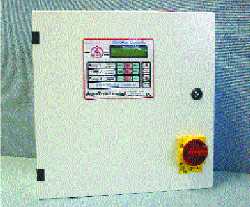
controller
AquaTech’s 2020plus pump controller brings new features to the control of variable-speed pumps.

AquaTech has launched the first generation of its 2020plus micro-processor for controlling variable-speed pumps. The software is sufficiently adaptive to be used with stand-alone inverter drives, panel-mounted drives and the latest motor units with integral inverters. Users thus have complete flexibility and preference for choosing drive and pump manufacturers. These units provide the central point of control for the inverter drives, the working parameter settings and BMS interface. To provide protection against power spikes and interruptions or software being corrupted, the core system is protected by using EEPROM microchips that retain memory, 2-stage filtering electrical system and auto reset. Power interruptions are logged for future diagnostics. A particular software feature helps alleviate over-pressure system shock and associated flow-velocity problems — which, in extreme circumstances, can damage pipework or fittings. After a power failure, only one pump is allowed to operate at reduced speed and, hence, reduced pressure — allowing pipework risers to refill gradually. When normal system pressure has been restored, the controller will revert to normal operation and allow the remaining pumps to provide full flow, as demand requires. Another feature that can be enabled is an ‘under-occupancy’ mode for residential buildings with low initial tenancy. The standard cascade pump operation can be over-ridden to just one pump operating.
Related links:


modbs tv logo

ICOM celebrates Noah Gaunt as Apprentice of the Year 2026

Noah Gaunt of Vaillant Group UK has been named ICOM’s Apprentice of the Year 2026, recognising his outstanding commitment, technical excellence and passion for advancing the future of low carbon heating.

BCIA warns non-domestic buildings risk being overlooked despite decarbonisation drive

Commercial and public buildings risk being left behind in the UK’s transition to Net Zero despite more than £40 billion of funding, investment and policy support being directed towards building decarbonisation, according to the latest Policy Pulse report from the Building Controls Industry Association (BCIA).