


Air hidden in the shadows
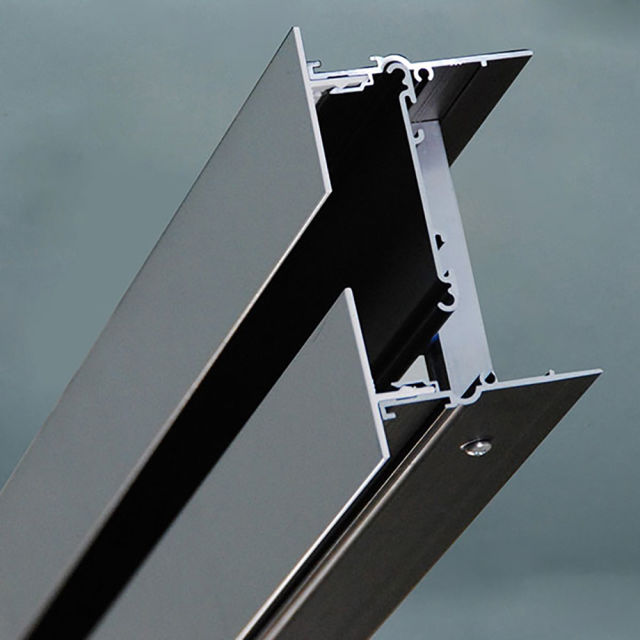
The new High Flow Diffusers from Waterloo Air Products PLC have been created so that architects can incorporate a shadow gap feature and hide air terminal devices from view. This follows trends in architecture to create vents, grilles and diffusers that make it easier for architects to complement their designs.
The new diffusers are available in a single slot with three different sized slots to choose from as standard. As with all Waterloo Linear Grilles and Diffusers, High Flow can utilise multiple sections for continuous linear run. For further design flexibility, the range includes a plasterline version, for invisible borders.
There are two variants available for both ceiling and wall mounting. The High Flow Coanda (HFC) creates a horizontal throw through the Coanda effect, and is perfect for ceiling installations. Whereas the High Flow Directional (HFD) for horizontal projection of air is designed for wall mounting or can provide a Coanda throw if positioned close to a horizontal surface. The High Flow is designed to handle a variety of air capacities, from small to large volumes of air, and is available in any RAL colour with black internals.
Manufactured in aluminium at Waterloo’s factory in Aylesford in Kent, this is a superb addition to its comprehensive range of products.