


Combat rising energy costs with thermal imaging cameras
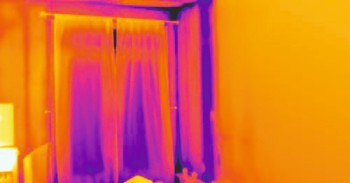
Detect hidden sources of heat and energy loss with Teledyne FLIR’s thermal imaging cameras to save energy and cut your heating and energy costs.
The global energy crisis is hitting homes and businesses hard across the UK and Europe, with many people feeling their energy costs are spiralling out of control. According to the Department for Energy, Business and Industrial Strategy, domestic fuel prices in the UK have increased by 60% compared to 2021. And the recent Business Energy Tracker report from Npower Business Solutions shows that 80% of organisations consider energy to be their biggest threat.
So to keep energy costs as low as possible, residents, homeowners and businesses alike need to improve their energy efficiency. But where to start? Many sources of heat and energy leaks are invisible to the naked eye. While you might notice a cold spot, it’s tough to know whether it’s caused by compromised window seals, plumbing leaks, poor insulation, or something else entirely.
That’s why Teledyne FLIR has developed a wide range of thermal imaging cameras that reveal hidden sources of energy loss. These tools empower you to proactively detect and resolve energy leaks, which can all add up to help you lower bills and increase energy efficiency.
FLIR’s personal thermal cameras are designed to be affordable and convenient. That means you can easily find significant areas of heat loss in your home that you otherwise might never have noticed.